

What is an AC Motor: Introduction to Working Mechanism and Core Parts
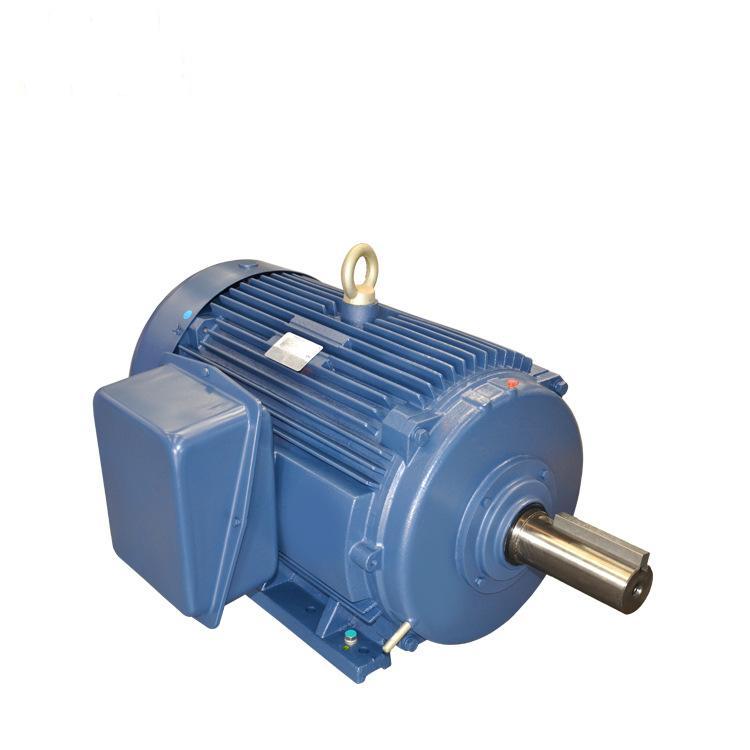
An AC motor is a vital mechanical device widely adopted in industrial, commercial and residential scenarios. It mainly consists of two core parts: the stationary outer stator and the rotating inner rotor attached to the motor shaft. Both parts work with rotating magnetic fields, which are the foundation of motor operation. The rotating magnetic field of the stator is produced when alternating current passes through its internal windings. Inside an AC motor, stator windings act as both armature and field windings. Once AC voltage is applied to the stator, a rotating magnetic field running at synchronous speed is generated. This magnetic field induces electromotive force in stator and rotor windings to drive motor operation. ## Types of AC Motors AC motors cover multiple categories built for different working conditions, including single-phase motors, three-phase motors, brake motors, synchronous motors, asynchronous motors, custom motors, two-speed motors and three-speed motors. Their main differences lie in applicable working scenarios and power supply requirements. Single-phase power or two-phase power is common for household equipment. Three-phase power is the standard choice for most industrial facilities. The difference in power supply type is one major feature distinguishing industrial AC motors from residential AC motors. The majority of AC motors belong to induction motors. They produce torque based on electromagnetic induction. The stator magnetic field induces current inside the rotor, and the induced current generates torque to drive rotation. ## Starting the AC Motor Various starting solutions are available for AC motors, selected according to motor type and application demands. These starting modes regulate incoming power to achieve soft startup and avoid electrical failure and mechanical damage. - Contactor or Manual Starter Contactors support convenient on-off control of motor power supply. Manual starters allow operators to directly switch power via manual switches. - Star-Delta Starters This solution cuts down initial voltage during startup. At the starting stage, stator windings are connected in star (Y) connection to limit starting current. After the motor accelerates to a preset speed, the winding connection switches to delta (Δ) to receive full rated voltage. - Auto-Transformer Starter It also restricts inrush current by lowering the stator input voltage at startup. Its outstanding advantage is adjustable torque and starting current through different tap positions to match field requirements. - Rotor Impedance Starter It connects to the rotor through slip rings and brushes. At startup, rotor resistance is set to the maximum value, and resistance gradually drops as speed rises. Though stable in performance, rotor impedance starters are usually large in size and high in cost. - Soft Starters Soft starters enable smooth ramp-up startup and ramp-down stop. They lower mechanical impact on motors and connected driven equipment, perfectly suited for working conditions where equipment wear reduction is prioritized. ## Key Components of AC Motors ### Stator The stator creates the rotating magnetic field required for motor operation. It is assembled with laminated iron core, copper windings and connecting wires. Many AC motors adopt squirrel cage rotor structure. Alternating current feeds into stator copper coils to build magnetic flux, which induces current in the rotor. For three-phase AC motors, the stator carries three groups of windings arranged at 120° apart. These windings are embedded inside laminated iron cores to maintain steady and continuous motor rotation. ### Rotor Different from DC motors, the rotor of an AC motor has no direct connection to external power supply. It gains energy from the rotating magnetic field of the stator. Two common rotor types are used in three-phase induction motors: 1. Squirrel Cage Rotor A squirrel cage rotor is made of conductive bars and end rings, normally cast from aluminum or copper. The changing stator magnetic field induces current inside rotor bars and generates rotation. The rotor speed cannot reach synchronous speed, and this speed gap defined as slip is necessary for torque output. 2. Wound Rotor (Slip Ring Rotor) This rotor type has a laminated cylindrical core fitted with wound coils, similar to stator structure. The wire terminals lead to slip rings mounted on the motor shaft. Slip rings contact with brushes to realize external circuit access, so users can adjust motor speed and torque. Wound rotor motors support precise performance regulation for flexible control. ### Squirrel Cage Rotor Working Theory In squirrel cage motors, rotor bars interact with the stator electromagnetic field. Alternating current in stator windings creates fluctuating electromagnetic flux, inducing current in rotor bars and driving rotation. The rotor always chases the rotating magnetic field of the stator but never catches up completely. If the rotor rotates at synchronous speed together with the magnetic field, electromagnetic induction disappears and the motor stops. ### Wound Rotor and Speed Regulation Wound rotor motors are asynchronous motors, which means rotor speed and stator magnetic field speed are not equal, forming slip. During operation, slip changes the effective magnetic flux of the stator. Operators can adjust torque, rotating speed and overall motor performance accurately. This characteristic makes wound rotor motors suitable for applications needing flexible speed and torque adjustment. ## Conclusion AC motors are versatile and widely used across industries. They generate torque via electromagnetic induction, and diversified structures including squirrel cage rotors and wound rotors extend their applicable range. Single-phase AC motors serve household equipment while heavy-duty three-phase induction motors support industrial loads. AC motors deliver stable and efficient operation. Stator and rotor cooperate to convert electrical energy into mechanical power, supporting countless mechanical devices. If you plan bulk purchasing of AC motors, the Y2 series asynchronous motor (center height H80-355mm) is a cost-effective option. It is a totally enclosed, self-fan cooled squirrel cage three-phase asynchronous motor for general low voltage applications. Developed based on mature Y series motors, the Y2 series features higher power output, larger starting torque, IP54 protection grade and F class insulation for improved reliability. It adopts low-noise design and IC411 cooling system, complies with IEC standards on power rating and mounting dimensions to guarantee high efficiency and stable performance. For enterprises sourcing reliable AC motors, the Y2 series is a sturdy, efficient and economical choice for bulk orders in industrial and commercial projects. Its upgraded specifications and high stability help reduce long-term maintenance cost and support continuous production.


Low Voltage Motors Common Types and Classification
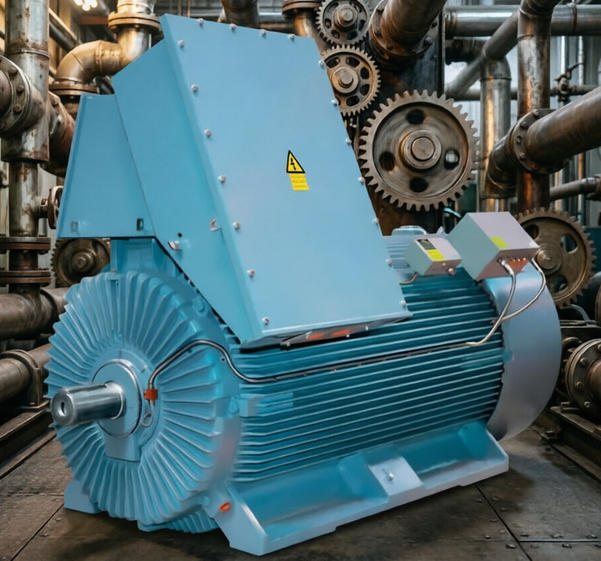
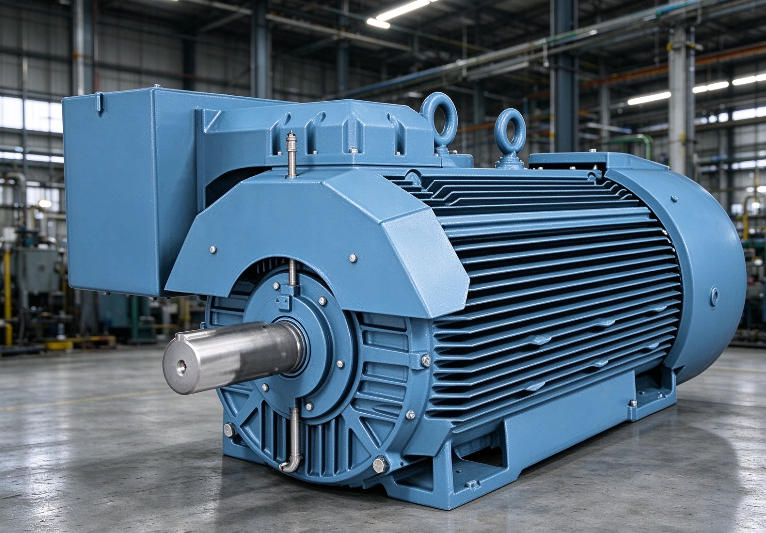
Low voltage motors, a crucial innovation in the electric motor industry, are designed to deliver outstanding efficiency and reliable performance across diverse industrial applications. As global industries pursue higher productivity and stricter energy‑saving targets, low voltage motors have grown increasingly indispensable. By addressing long‑standing pain points of conventional motors such as excessive power draw and high routine maintenance expenses, low voltage motors have become a transformative option for facility upgrades. For instance, manufacturing facilities can cut energy expenses by as much as 25% after retrofitting with premium low voltage motors, making them a cost‑effective, sustainability‑oriented investment for industrial enterprises. ## Definition: Understanding Low Voltage Motors Low voltage motors refer to industrial electric motors generally rated for operation below 600 volts per NEMA (National Electrical Manufacturers Association) standards. This broad product family includes mainstream induction motor variants such as squirrel‑cage and slip‑ring (wound‑rotor) constructions. Among them, low‑voltage squirrel‑cage models feature a distinctive rotor built with conductive bars short‑circuited by end rings. Resembling a hamster wheel in structure, this rotor configuration grants the motors exceptional mechanical sturdiness and simplified energy‑conversion performance. As core members of the induction motor group, different low voltage motor subtypes follow electromagnetic‑induction working principles, yet differ in rotor architecture to fit varied load requirements. ## Industry Term Analysis Within the motor sector, low voltage motors cover all AC industrial motors working at sub‑600‑V operating voltage, split primarily into squirrel‑cage and slip‑ring (wound‑rotor) induction types. - Squirrel‑cage low voltage motors adopt bar‑and‑end‑ring closed‑loop rotors. Without brushes or wearable rotor windings, they attain high operating efficiency and minimal maintenance workload. - Slip‑ring low voltage motors are fitted with wound rotors connected to external slip‑ring assemblies. This design permits external resistance adjustment to optimize starting torque and speed regulation for heavy‑duty equipment. All low voltage induction motors rely on electromagnetic induction to produce rotary force; rotor structural differences define their applicable operating scenarios. ## Application Scenarios: Where Are Low Voltage Motors Deployed? Thanks to strong versatility and stable energy‑saving output, low voltage motors serve a wide spectrum of industrial segments: - **Manufacturing**: Drive assembly lines, material conveyors and general‑purpose production machinery for continuous‑run industrial workflows. - **HVAC Systems**: Power fans and air‑handling units in heating, ventilation and air‑conditioning installations to boost overall system energy performance. - **Pumps & Compressors**: Provide steady torque for fluid pumping equipment and air compressors across process industries. - **Material Handling**: Supply motive force for hoists, warehouse handling gear and selected forklift auxiliary drive systems. - **Heavy‑duty industrial equipment**: Specially‑configured slip‑ring low voltage motors handle high‑torque startup tasks for ball mills and similar heavy machinery. Such extensive real‑world adoption demonstrates how low voltage motors underpin present‑day industrial engineering systems. ## Core Advantages: Why Low Voltage Motors Stand Out Low voltage motors bring multiple compelling strengths that make them widely preferred for industrial deployments: 1. **Superior Energy Efficiency**: High‑grade low voltage motors can reach efficiency levels up to 95%, versus 75%‑85% for older‑generation conventional motors. Improved efficiency yields substantial cumulative electricity cost reductions throughout equipment service life. 2. **Reduced Maintenance Burden**: Especially for squirrel‑cage low voltage motors, the brush‑free rotor design lowers component wear. Businesses can slash maintenance‑related downtime and associated expenditures by up to 30%. 3. **Space‑Saving Footprint**: Compact mechanical dimensions enable flexible mounting inside confined machine layouts without sacrificing power capacity. 4. **Sustainability Value**: Deploying high‑efficiency low voltage motors helps factories meet carbon‑reduction objectives by cutting power consumption and associated greenhouse‑gas emissions. This combined set of merits highlights the practical value of integrating qualified low voltage motors into new‑build and retrofitted industrial setups. ## Next Steps: Practical Guidance for Users If you intend to evaluate low voltage motors for your site, review official supporting documentation provided by the manufacturer. The documentation covers installation best practices, operational recommendations and troubleshooting guidance to maximize motor runtime performance. You may also inquire about product trials or demonstrations to witness the real‑world performance of low voltage motors under your on‑site working conditions. ## FAQ **Q1: What service life can I expect from low voltage motors?** A1: Under proper operating conditions and regular servicing, low voltage motors typically achieve 15‑20 years of usable life; actual longevity varies according to maintenance regimes and ambient working environments. **Q2: Can low voltage motors run in outdoor locations?** A2: Yes. Outdoor installation requires adequate enclosure protection against moisture, dust and weather exposure to preserve service life. **Q3: How do I select suitable low voltage motors for my application?** A3: Key selection criteria include required power rating, torque characteristics, site environmental conditions and efficiency class requirements (IE2 / IE3 / IE4). It is advisable to consult motor manufacturers or technical specialists for customized recommendations. ## Further Understanding and Trials To deepen your technical knowledge and experience the performance benefits firsthand, contact the manufacturer to request supporting resources or product trial possibilities. Adopting well‑matched low voltage motors will help you elevate plant operational efficiency and equipment reliability. In summary, low voltage motors represent vital progress within industrial drive technology, delivering tangible performance and economic gains for numerous industry sectors. Gaining full comprehension of low voltage motor characteristics not only optimizes your facility operations but also aligns with worldwide energy‑conservation and emission‑reduction initiatives.