


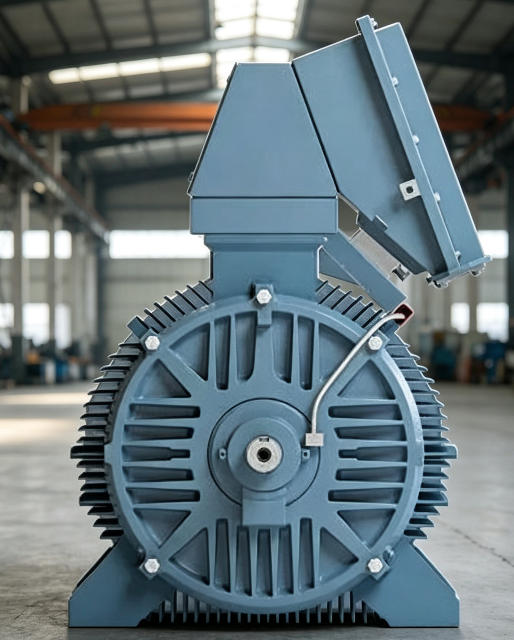
Explosion Proof Electric Motor Classification Groups and Divisions
xplosion proof electric motor are critical components deployed in hazardous locations containing combustible gases, dust or fibers. These motors are specially manufactured to stop sparks and potential ignition sources that may trigger explosions, delivering reliable safety and stable operation across industrial scenarios. This article introduces the core classification standards including Class, Groups and Divisions, which decide whether an explosion proof electric motor fits a specific hazardous working area. Mastering these classification rules helps industrial users pick a suitable explosion proof electric motor and cut down the chance of safety accidents.
What Is an Explosion Proof Electric Motor?
An explosion proof electric motor is engineered to run safely in sites with potential explosion risks from flammable gas, dust or fibers. Equipped with reinforced enclosures, specialized sealing structures and multiple safety designs, this type of motor avoids igniting explosive substances in ambient air. Explosion proof electric motor is widely adopted in oil & gas, chemical processing, pharmaceutical, mining and agricultural sectors, where explosive atmospheres may form from processed raw materials.
Classifications: Class, Groups & Divisions of Explosion Proof Electric Motor
The classification system for explosion proof electric motor is essential to guarantee the motor complies with safety standards for various hazardous environments. This framework consists of three core dimensions: Class, Groups and Divisions. Each dimension describes the characteristics of hazardous atmosphere and defines the protection level required for an explosion proof electric motor. Let’s break down these classification items one by one.
Class of Explosion Proof Electric Motor
The Class rating of an explosion proof electric motor defines the category of hazardous atmosphere it can operate within. Three primary Classes are available: Class I, Class II and Class III.
Class I: Flammable Gases and Vapors
Class I explosion proof electric motor applies to environments with flammable gases or vapors. Typical application fields include petrochemical, oil gas and pharmaceutical production, where methane, propane, hydrogen and other gases may exist in the air. Motors rated Class I must confine internal ignition and prevent sparks from leaking out to the surrounding atmosphere.
Class II: Combustible Dust
Class II explosion proof electric motor is used for locations with combustible dust that can ignite upon contact with heat or sparks. Food processing, grain milling and cement manufacturing commonly require Class II explosion proof electric motor. These motors adopt enhanced sealing design to prevent sparks or overheated parts from igniting suspended dust particles and causing explosions.
Class III: Easily Ignitable Fibers and Flyings
Class III explosion proof electric motor serves working sites filled with easily ignitable fibers and flyings. Typical industries cover textile plants, paper mills and other factories handling fibrous raw materials. The structure of Class III explosion proof electric motor prevents internal ignition when exposed to fibrous debris.
Groups: Classification by Hazardous Substance Types
Group classification specifies the exact hazardous substances that an explosion proof electric motor can resist. It offers more detailed risk information of the working environment. Each Class is further split into Groups to describe the features of hazardous materials.
Group A: Acetylene
Group A explosion proof electric motor is built for environments with acetylene, an extremely explosive gas. Acetylene can ignite easily under certain conditions. Group A explosion proof electric motor uses heavy-duty enclosures and safety mechanisms to block sparks or heat from triggering ignition.
Group B: Hydrogen and High-risk Fuel Gases
Group B explosion proof electric motor is designed for sites with hydrogen and other highly flammable fuel gases. Hydrogen has very low ignition threshold and high explosion risk. Group B explosion proof electric motor must contain internal sparks and avoid igniting mixed gas in surrounding air.
Group C: Ethylene and Propylene
Group C explosion proof electric motor suits environments containing ethylene, propylene and similar gases. Though less dangerous than acetylene and hydrogen, these gases still carry explosion hazards. Group C explosion proof electric motor is constructed to handle such risks and avoid ambient ignition.
Group D: Common Flammable Gases such as Methane and Propane
Group D explosion proof electric motor is the most widely used type in industrial applications. It is applied in areas with methane, propane, natural gas and other flammable gases. Group D explosion proof electric motor provides strong protection to trap internal sparks and stop gas ignition.
Divisions: Explosion Occurrence Probability in Working Sites
Division rating indicates how often and how long hazardous atmosphere appears in a location, which determines the protection standard an explosion proof electric motor needs.
Division 1: Hazardous Atmosphere Exists During Normal Operation
Division 1 explosion proof electric motor is used where combustible gas, dust or fibers constantly or frequently appear under normal running conditions. Division 1 explosion proof electric motor adopts comprehensive protection measures to ensure internal sparks or heat cannot ignite surrounding hazardous atmosphere.
Division 2: Hazardous Atmosphere Only Appears Under Abnormal Conditions
Division 2 explosion proof electric motor works for environments where hazardous materials do not exist in normal operation but may emerge due to leakage, equipment failure or spill accidents. Division 2 explosion proof electric motor still maintains explosion protection against fault-induced ignition, yet it is not intended for sites with persistent explosive atmosphere.
How to Select a Proper Explosion Proof Electric Motor?
Selecting a qualified explosion proof electric motor depends on multiple factors: hazardous substance type, environmental classification and application requirements. It is recommended to cooperate with industrial specialists to evaluate your site condition and select an explosion proof electric motor matching safety standards and performance demands. Whether facing flammable gas, combustible dust or fibers, choosing the right explosion proof electric motor safeguards your operation safety and production efficiency.
FAQ: Frequently Asked Questions about Explosion Proof Electric Motor
- What is the difference between Class I and Class II explosion proof electric motor?
Class I explosion proof electric motor is for environments with flammable gases and vapors, while Class II explosion proof electric motor is designed for locations with combustible dust. - Can explosion proof electric motor run in non-hazardous areas?
Explosion proof electric motor can operate in ordinary non-hazardous sites. However, its over-strengthened design usually leads to higher cost, so it is not the most economical option for such applications. - What maintenance work is needed for explosion proof electric motor?
Regular inspection is required for explosion proof electric motor to check wear, damage and corrosion. Any defects that weaken the explosion-proof structure should be repaired immediately.
Conclusion
Explosion proof electric motor provides essential safety guarantee for facilities with explosive materials. Understanding Class, Groups and Divisions classification helps industrial users select suitable explosion proof electric motor for specific working conditions. Properly selected explosion proof electric motor helps meet safety codes, reduce potential hazards and keep stable production. If you need high-performance explosion proof electric motor customized for your hazardous environment, contact us for professional consultation and tailored solutions.
