





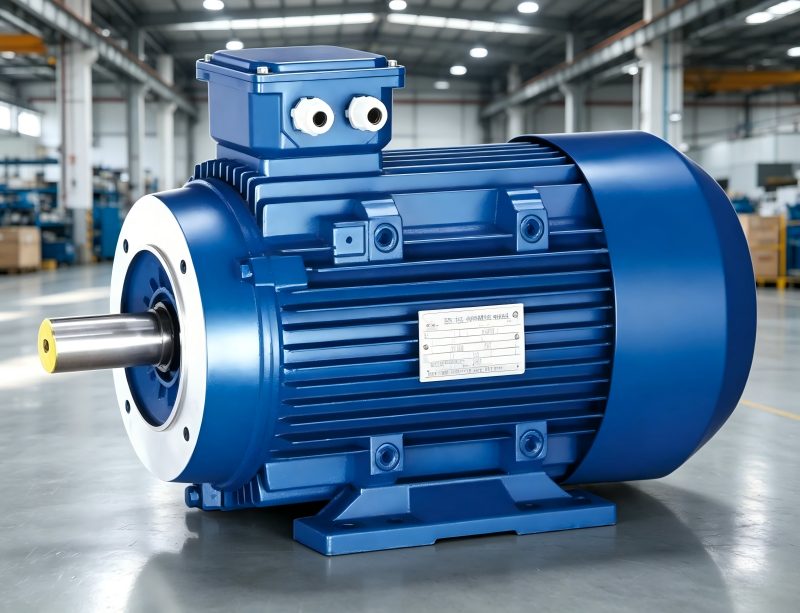
What Do You Know About Explosion Proof Motor?
Here is a rewritten and polished version of the article, incorporating the terminology "explosion-proof motor" and enhancing the overall flow and professional tone:
Understanding the Explosion-Proof Motor: A Critical Component for Hazardous Environments
In high-risk industrial sectors such as oil and gas extraction, chemical refining, and mining, the careful selection of electrical equipment is paramount to preventing catastrophic accidents. Among these critical components, the explosion-proof motor plays a vital role in ensuring operational safety.
What is an Explosion-Proof Motor?An explosion-proof motor is specifically engineered for industrial applications where highly flammable materials are prevalent. It is a common misconception that this equipment is immune to external blasts or will never experience internal failure. In reality, the core function of an explosion-proof motor is containment and isolation: its specialized design ensures that if an internal explosion or spark occurs within the motor, it will not ignite the surrounding combustible atmosphere.
Why Are Explosion-Proof Motors Necessary?
Standard electric motors can become ignition sources in hazardous areas through two primary mechanisms:
- Thermal Ignition: The motor's surface temperature rises during normal operation to a point where it can ignite surrounding steam, gas, or dust.
- Electrical Sparks: Internal failures, such as compromised winding insulation or power supply issues, can generate arcs or sparks that trigger an external explosion.
- Because standard motors inherently generate heat and carry the risk of electrical faults, deploying an explosion-proof motor is essential for protecting both personnel and equipment in environments saturated with flammable gases, dust, or fibers.
- Application Environments for Explosion-Proof Motors
The design and safety parameters of an explosion-proof motor are strictly tailored to the specific hazard classification of its operating environment:
- Class I Environments (Flammable Gases and Vapors): In areas where combustible gases, vapors, or liquids are present, the explosion-proof motor is constructed with a robust enclosure designed to contain internal sparks and flames. Additionally, the motor's casing is thermally regulated to guarantee that its surface temperature never exceeds the safe ignition threshold of the surrounding atmosphere.
- Class II and Class III Environments (Combustible Dust and Fibers): In facilities dealing with explosive dust or fibers, the explosion-proof motor is engineered to prevent surface overheating. Beyond standard thermal management, these motors often incorporate advanced failsafe mechanisms, such as integrated thermostats that automatically sever power before the motor casing reaches a critical temperature. While operating a motor at a lower-rated current can reduce heat generation, active thermal protection is a mandatory safety standard in these volatile environments.
