





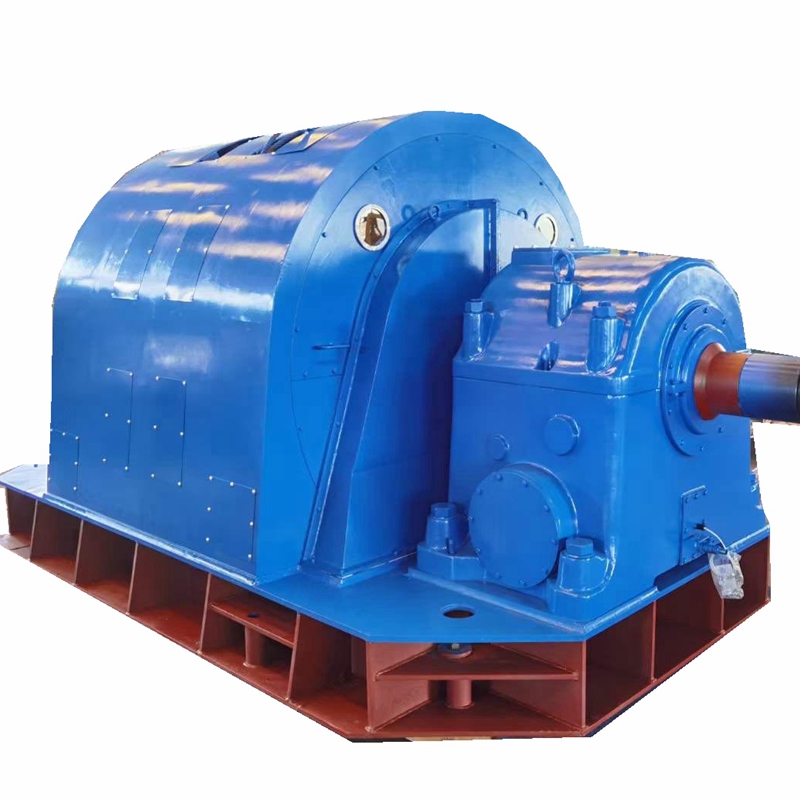
Synchronous vs Asynchronous Motors: Which One to Choose?
An electric motor transforms electrical energy into mechanical energy to power mechanical work. AC motors fall into two main categories: synchronous motors and asynchronous motors. Though similar in basic structure, they operate differently and deliver distinct performance.
How AC Motors Work
DC motors run on the force produced when a magnetic field acts on a current-carrying conductor. By contrast, all AC motors function based on a rotating magnetic field (RMF). The stator contains multiple windings. When fed with AC power, these windings generate a rotating magnetic field that spins around the rotor.
A critical term here is slip: the speed difference between the stator’s rotating field and the actual rotor speed.
- Zero slip = rotor speed matches stator field speed → synchronous motor
- Positive slip = rotor lags behind the stator field → asynchronous motor
Synchronous Motors
A synchronous motor’s rotor rotates at the synchronous speed, identical to the rotating speed of the stator magnetic field.
The stator creates a rotating magnetic field with AC input. The rotor builds its own magnetic field either via external DC power through slip rings or built-in permanent magnets. Its magnetic pole number equals or is an integer multiple of the stator pole number. Once energized, the rotor magnetic field locks tightly with the stator RMF and rotates at a constant synchronous speed.
This speed is determined only by the supply frequency and stator pole count, so it does not change with load. Speed adjustment of synchronous motors requires changing the power supply frequency. Typical models include 8 to 40 poles synchronous motors.
Asynchronous Motors
Also known as induction motors, asynchronous motors never run at synchronous speed. Their rotor always spins slower than the stator RMF due to constant slip.
There are two common rotor designs: squirrel-cage rotor and wound rotor. A squirrel-cage rotor consists of thick copper bars shorted by end conductive rings. A wound rotor features multiple windings stacked on a laminated steel core.
The stator RMF induces electric current inside the rotor. The induced current further generates a secondary magnetic field to drive rotation. Since rotation relies entirely on electromagnetic induction, asynchronous motors are named induction motors, and their actual speed varies with slip rate. The YB2 explosion-proof motor is a typical asynchronous AC motor model.
Comparison & Application
Synchronous motors offer higher energy efficiency but come with higher costs. They are widely used in low-speed industrial scenarios and can provide power factor correction for power systems.
Asynchronous (induction) motors are low-cost, easy to maintain and support variable-speed operation. They are the preferred choice for most high-speed and variable-speed mechanical equipment.
We provide a full range of motor products, including permanent magnet synchronous motors and low-voltage squirrel cage asynchronous motors for diverse industrial needs.
