


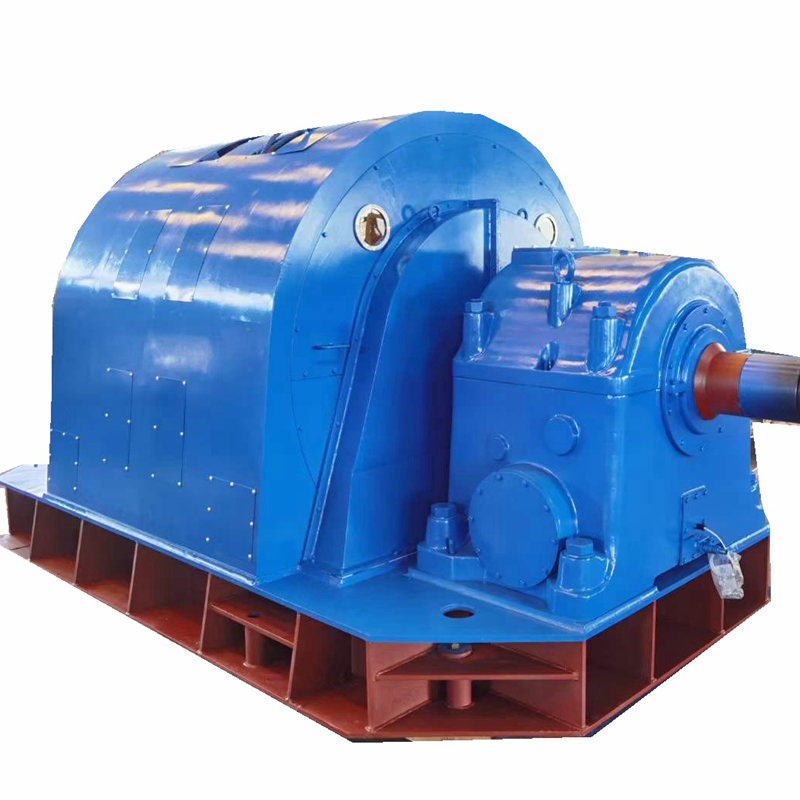
Methods for Identifying Slip Rings on Electric Motors
What Is an Electric Motor Slip Ring?
An electric motor slip ring is a component within an AC motor that transfers electrical energy to the rotor. This configuration delivers high starting torque and is widely applied in scenarios demanding smooth, adjustable speed control.
Common Applications for Electric Motor Slip Rings
Systems equipped with electric motor slip rings are frequently used in the following fields:
- Crane and hoist operations
- Textile machinery
- Pumps and compressors
- Fans and blowers
Step‑by‑Step Guide to Identify an Electric Motor Slip Ring
Step 1: Examine the Motor Physical Structure
Check the motor’s physical features:
- Slip‑ring assemblies mounted on the rotor shaft
- Two or more groups of winding terminals
Step 2: Recognize Corresponding Electrical Connections
Observe the unique wiring layout:
- Conductors connected to the slip‑ring assembly
- Independent winding sets for rotor and stator
Step 3: Inspect Application‑Oriented Characteristics
Check functional features typical of motors fitted with slip‑ring assemblies:
- Constructed to deliver high starting torque
- Optimized cooling structures for long‑duration continuous operation
Step 4: Review Motor Nameplate Data
Refer to the motor nameplate, which usually contains:
- Component or motor type marking (look for “Slip Ring”)
- Rated voltage, frequency and horsepower values
Required Tools
Use the tools below to properly identify an electric motor slip ring:
- Multimeter for electrical measurement and testing
- Screwdriver set for motor housing disassembly and inspection
- Flashlight for observing internal wiring details
Avoiding Common Pitfalls
Ignoring Safety Protocols
Cut off all power supply before any motor inspection work to prevent electric shock hazards.
Overlooking Manufacturer‑Supplied Documentation
Consult the official motor manual for dedicated identification references, as specifications vary across different product models.
