





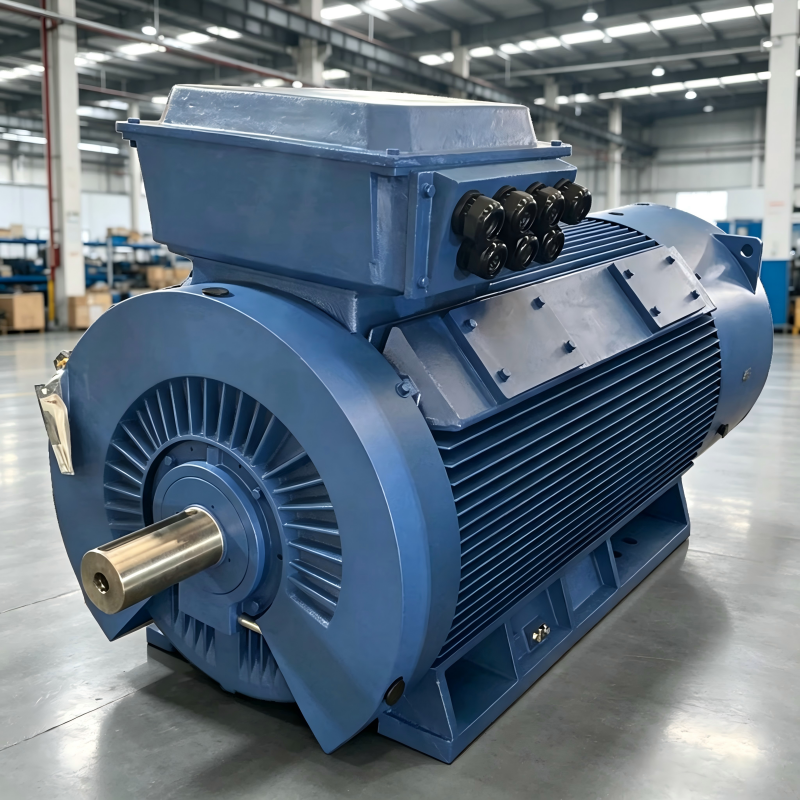
Induction Motor Squirrel Cage vs Standard Induction Motors: Key Differences
An induction motor (also known as an asynchronous motor) is a highly efficient electric motor that converts electrical energy into mechanical energy through the principle of electromagnetic induction. Widely adopted across industrial and household applications, induction motors are celebrated for their simplicity, reliability, and robust performance.
The Squirrel Cage Induction Motor
The squirrel cage is the most common rotor design used within an induction motor. Its name derives from its unique physical construction: a cylindrical core made of metal bars (typically aluminum or copper) that are shorted together at both ends by metal rings, resembling a small animal cage.
Unlike other motor types, the squirrel cage rotor is not connected to an external power source. Instead, it is induced to rotate by the changing magnetic field generated by the stator (the stationary part of the induction motor). This elegant, brushless design eliminates the need for commutators or slip rings, resulting in lower maintenance requirements, reduced noise, and enhanced durability in harsh conditions.
Squirrel Cage vs. Other Induction Motors
While "induction motor" is the broad category, the specific type of rotor dictates the motor's performance. The primary alternative to the squirrel cage design is the wound rotor, which features a more complex construction and allows for adjustable starting torque and better speed control, albeit at a higher cost and with increased maintenance needs.
Below is a detailed comparison between squirrel cage induction motors and general induction motor characteristics:
| Feature | Squirrel Cage Induction Motor | General Induction Motor (Including Wound Rotor) |
|---|---|---|
| Rotor Construction | Aluminum or copper bars shorted by end rings | Varies: Squirrel cage or wound rotor |
| Starting Torque | Moderate (depends on rotor bar design) | Squirrel cage: Moderate; Wound rotor: Adjustable/High |
| Maintenance | Very low (no brushes or slip rings) | Squirrel cage: Low; Wound rotor: Moderate |
| Efficiency & Noise | High efficiency at constant speeds; generally quieter | High overall; squirrel cage typically more efficient |
| Speed Control | Limited (requires Variable Frequency Drive) | Wound rotor offers better native speed control options |
| Cost & Durability | Lower cost; highly durable and robust | Squirrel cage: Affordable; Wound rotor: More expensive |
| Common Applications | Fans, pumps, compressors, general machinery | Cranes, conveyors, industrial drives, heavy machinery |
Summary
The squirrel cage induction motor remains the industry standard for general-purpose applications due to its rugged construction, high efficiency, and minimal maintenance. For specialized industrial needs requiring high starting torque or variable speed control, other induction motor designs (such as wound rotors) offer greater flexibility.
About ZCL Electric Motor Technology Co., Ltd.
ZCL Electric Motor Technology Co., Ltd. is a modern import and export company specializing in electrical equipment and machinery. With years of experience in the manufacturing market, we provide precise, high-performance induction motor solutions and expert technical services. Feel free to contact us for a free consultation and quote.
