





Alternating Current Motor: Working Mechanisms, Key Parts & Types
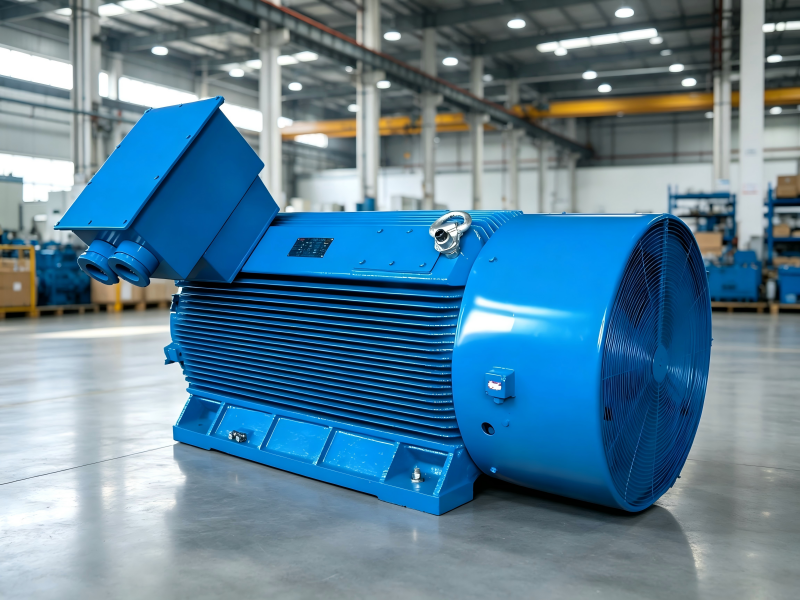
An alternating current motor, also commonly shortened as a c motor or ac motor, is indispensable mechanical equipment widely deployed across industrial, commercial, and residential fields. As mainstream electric motors ac, all ac motors rely on two core assemblies to operate: the fixed outer stator and the rotating inner rotor connected to the motor shaft. Both components generate rotating magnetic fields, which serve as the fundamental driving force for any alternating current motors.
The winding inside the stator of an ac motor carries dual functions, acting as both armature winding and field winding. When alternating current voltage is fed into the stator, a rotating magnetic field running at synchronous speed comes into being. This magnetic field induces voltage on both stator and rotor windings, which enables the whole alternating current motor to run normally. Most electric motors ac fall into the induction category, generating torque via electromagnetic induction: the stator’s magnetic field induces current inside the rotor, produces torque and drives rotation.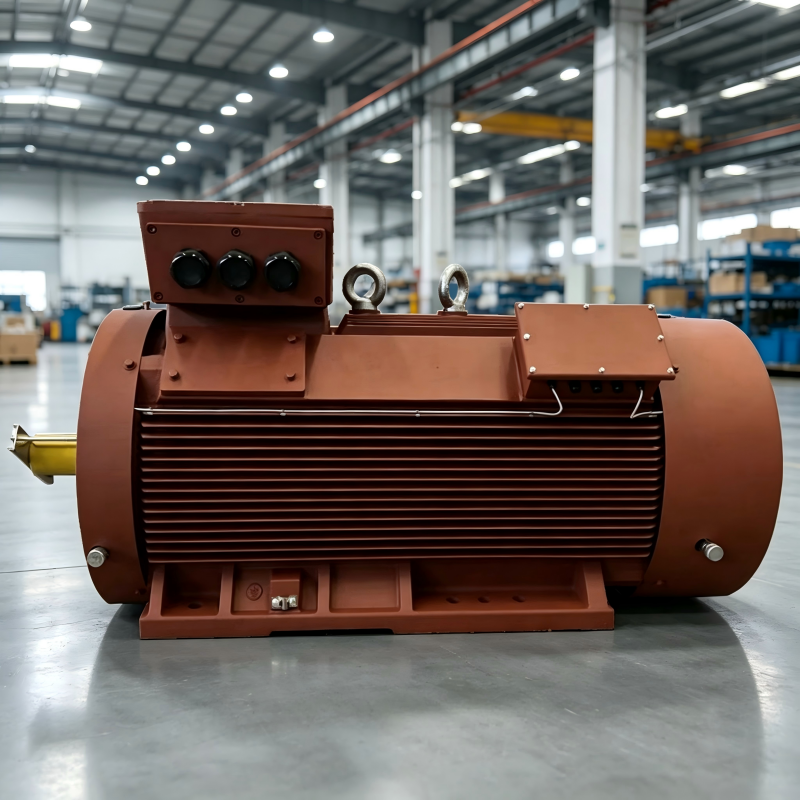
Classification of AC Motors
There are multiple types of ac motors, each tailored to unique operating scenarios, covering single-phase, three-phase, brake, synchronous, asynchronous, customized, two-speed and three-speed alternating current motors. The core distinctions of these a c motor variants lie in their applicable working conditions and matching power supply standards.
- Residential scenarios mostly adopt single-phase power supply, paired with small single-phase ac motors;
- Industrial production lines mainly use three-phase power, which matches heavy-duty three-phase electric motors ac.
The difference in power supply mode is the core feature separating industrial alternating current motors from household a c motor products.
Starting Modes for AC Motors
Different starting solutions are adopted for ac motors based on motor models and application requirements. These starting devices regulate input power to alternating current motors, deliver smooth startup performance and avoid electrical and mechanical damage to electric motors ac.
- Contactor or Manual Starter
Contactors support convenient power on/off control for a c motor units; manual starters adopt physical switches to let operators directly adjust power supply of alternating current motors. - Star-Delta Starters
This mode cuts down initial voltage input to ac motors during startup. At the starting stage, stator windings connect in star (Y) mode to limit starting current. After the alternating current motor reaches a preset rotating speed, windings switch to delta (Δ) connection to receive full rated voltage. - Auto-Transformer Starter
It also restricts startup current by lowering stator voltage of electric motors ac. Multiple tap joints allow flexible adjustment of startup torque and current for any a c motor as required. - Rotor Impedance Starter
This device connects directly to the rotor of wound-type alternating current motors via slip rings and brushes. It sets rotor resistance to maximum value at startup and gradually reduces resistance as the ac motor accelerates. Despite reliable performance, this starter is bulky and costly. - Soft Starters
Soft starters realize smooth, gradual startup and shutdown of all types of ac motors, effectively lowering mechanical wear on the alternating current motor and matched equipment, making them ideal for scenarios with strict equipment loss control standards.
Core Components of AC Motors
1. Stator
The stator generates the rotating magnetic field required to run an alternating current motor. It consists of metal laminated core, copper wire coils and connecting terminals. Power is directly supplied to stator coils to build magnetic fields that induce rotor current and drive electric motors ac.
For three-phase ac motors, the stator is equipped with three groups of windings arranged 120° apart and wound on laminated iron cores, guaranteeing stable and continuous operation of the alternating current motor.
2. Rotor
Unlike DC motors, the rotor of an a c motor has no direct connection to external power supply, and it obtains induced energy solely from the stator’s rotating magnetic field. Rotors of three-phase induction ac motors are split into two mainstream structures:
Squirrel Cage Rotor
Made of aluminum or copper rotor bars and two end rings, this rotor matches most standard electric motors ac. The alternating magnetic field from the stator induces current in rotor bars and generates rotation force. A key operating feature of this alternating current motor is slip: the rotor speed never matches the synchronous speed of the stator magnetic field. If the rotor fully synchronizes with the magnetic field, the a c motor will lose torque and stop rotating.
Wound Rotor (Slip Ring)
This rotor has a laminated cylindrical core wrapped with windings similar to the stator. Winding terminals link to slip rings installed on the motor shaft, which connect with brushes for external electrical control. Compared with squirrel cage alternating current motors, wound rotor ac motors support precise speed and torque adjustment through slip rings. As asynchronous electric motors ac, they rely on slip to adjust effective magnetic field strength and deliver flexible performance, perfect for working conditions requiring precise regulation of rotating speed and torque.
Conclusion
As highly versatile power equipment, ac motors cover nearly all industries. All alternating current motors convert electrical energy into mechanical energy through electromagnetic induction. Squirrel cage and wound rotor designs enable a c motor to adapt to diversified working scenarios: single-phase electric motors ac serve household use, while three-phase alternating current motors undertake heavy industrial loads. Matched with multiple starting devices, these ac motors meet different startup and operation demands of production and daily life. The Y2 series asynchronous a c motor is a reliable, cost-effective electric motors ac solution for general industrial applications.
If you need customized technical solutions for alternating current motors, welcome to contact us for consultation!
Keywords
Asynchronous Motor, 3 Phase Motor, Permanent Magnet AC Motor Factory, Synchronous Motor, Induction Motor, Electric Motor Manufacturer from China
Core implanted target keywords: a c motor, ac motors, electric motors ac, alternating current motor, alternating current motors
